
DO I QUALIFY?
Residency: The PA PETS TNR Program, formerly called the PA PETS Feral Program, does not limit applicants by county of residence.
Household Income Level: PA PETS does not limit applicants by household income level. We do, however, request your annual household income level on our TNR Program Application form to determine the amount of your copayments per cat.
Potential TNR Clients must be:
• Willing to trap outside, homeless cats using LIVE (Box-type or Have-A-Heart type) traps that are available for loan by PA PETS,
• Able to transport the trapped cats to/from pre-scheduled veterinary clinic appointments, and to recuperate the cats (post-surgery) in a warm, quiet environment before they are released back to their familiar location where they know where to find food and shelter, and
• Willing and able to provide daily food, water and shelter for these outside cats throughout the year to ensure they remain healthy and safe.
THE APPLICATION PROCESS:
• Print, complete and mail in this PA PETS TNR Program Application Form HERE
• BE SURE to provide BOTH your Cell and your home phone numbers, address, EMAIL ADDRESS, and the number of homeless cats to be spayed/neutered.
• Note any other people involved (co-trappers or transporters), including their phone number(s) so we can notify the clinics who will be transporting the trapped cats and signing the paperwork at check-in.
• You can apply for MULTIPLE TNR’d cats on one PA PETS TNR Application form by submitting the appropriate level of copayments. There is no need to submit a separate application form for each TNR’d cat to be spayed/neutered.
• BE SURE to sign the application form agreeing to our PA PETS DISCLAIMER to be approved for the PA PETS TNR Program. We will not process or approve any Application Form if it is incomplete, or if the PA PETS DISCLAIMER is not SIGNED as your signature indicates your agreement to the terms stated in the application.
• Mail the application form(s) with your co-payment(s) to PA PETS, 203 East 5th Street, Bloomsburg, PA 17815. Write “TNR” on the outside of your envelope. Applications and co-payments can also be dropped off at the PA PETS Thrift Store at this same address. If the store is not open, use the mail slot in the front door to drop off applications and copayments.
• You will be contacted by a PA PETS Volunteer once your application and copayment are received and approved.
COPAYMENT AMOUNTS:
Client copayments are required as part of the PA PETS TNR Program’s Application Process.
Cash, checks or money orders are required for copayments. Enclose the appropriate copayment per animal with your completed application form.
• $40/animal – For household incomes greater than $30,000/year
• $20/animal – For household incomes at or below $30,000/year
NOTE: We review TNR Client Copayments on an individual basis. If there are large colonies to be TNR’d or other circumstances, copayments can be reduced or possibly waived by the PA PETS TNR Program Manager after discussion with the TNR Program Applicant (Good Samaritan Colony Caregiver or trapper). Please note any unusual circumstances and the total number of cats to be TNR’d on your TNR Program application form.
SCHEDULING YOUR APPOINTMENTS:
When we receive your PA PETS TNR Program Application form, we will call you and discuss:
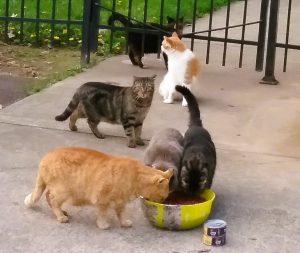
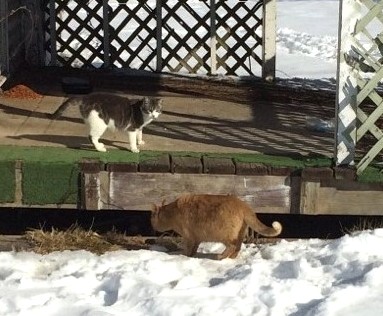
• The number and location of outside, homeless cats to be spayed/neutered and vaccinated,
• Who is feeding and sheltering them, and who will continue to be responsible for feeding and sheltering the outside cats once they are spayed/neutered and vaccinated,
• Who will be doing the trapping, transporting them to/from the veterinary clinics, and recuperating them before they are returned to their familiar location (colony) where they must have access to food and shelter. This is part of our approval process to participate in our TNR Program.
• Whether the trapper has Live (box-type or Have-A-Heart) traps available to start the trapping or needs PA PETS to loan traps to the client.
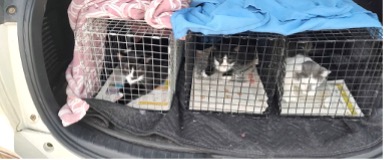
• NOTE: PA PETS TNR PROGRAM AND OUR PARTICIPATING VETERINARY CLINICS REQUIRE the use of Live (box-type or Have-A-Heart) traps (covered with a towel or small blanket) to trap, transport and check-in the TNR’d cats (for the trapper’s, the cats’ and the clinic staff’s safety – AND TO PREVENT TRAPPED CATS FROM ESCAPING.
• If you need Live (box-type) traps, PA PETS TNR Program will provide loaner traps. It is the TNR Client’s responsibility to pick-up the traps from one of our TNR Program volunteers and return them CLEAN and in working order when they have completed TNR’ing.
• Our PA PETS TNR Program Manager will coordinate with both the approved TNR Clients and the participating vet clinics to schedule the TNR Appointments, including payment of the clinic charges.
Once the PA PETS TNR Program Manager discusses the items above with you, she will contact one of our participating vet clinics to schedule your TNR Appointment(s).
PA PETS DOES NOT REMOVE OR RELOCATE ANY OUTSIDE, HOMELESS CATS FROM THEIR CURRENT LOCATIONS ONCE THEY ARE SPAYED/NEUTERED AND VACCINATED.
• RELOCATION IS DISORIENTING FOR CATS THAT FIND THEMSELVES IN A COMPLETELY NEW (UNKNOWN) ENVIRONMENT WITH NO KNOWLEDGE OF THE SOURCE OF FOOD OR SHELTER.
• RELOCATION INCREASES THEIR RISK OF STARVATION, DISEASE AND PREDATION, AND CAUSES “THE VACUUM EFFECT” IN THEIR PREVIOUS LOCATION. SEE THE “VACUUM EFFECT” EXPLANATION IN OUR FAQ’S.
• COLONIES OF OUTSIDE CATS THAT ARE SPAYED/NEUTERED AND VACCINATED WILL PROTECT THEIR TERRITORY FROM OTHER (TRAVELING) (NON-SPAYED/NEUTERED) CATS AND WILL NOT REPRODUCE IF SPAYED/NEUTERED. THUS, COLONIES SHRINK OVER TIME THROUGH ATTRITION.
PAYMENT OF VET CLINIC CHARGES
The PA PETS TNR Program pays our participating veterinary clinics directly for APPROVED TNR clients who have coordinated their appointments through our PA PETS TNR Program.
Payment usually covers both the spay/neuter surgery, post-op pain medications and vaccinations. Occasionally, payment is also made for additional medications or procedures for sick or injured TNR’d cats that receive spay/neuter surgeries.
LET’S TALK ABOUT TRAPS:
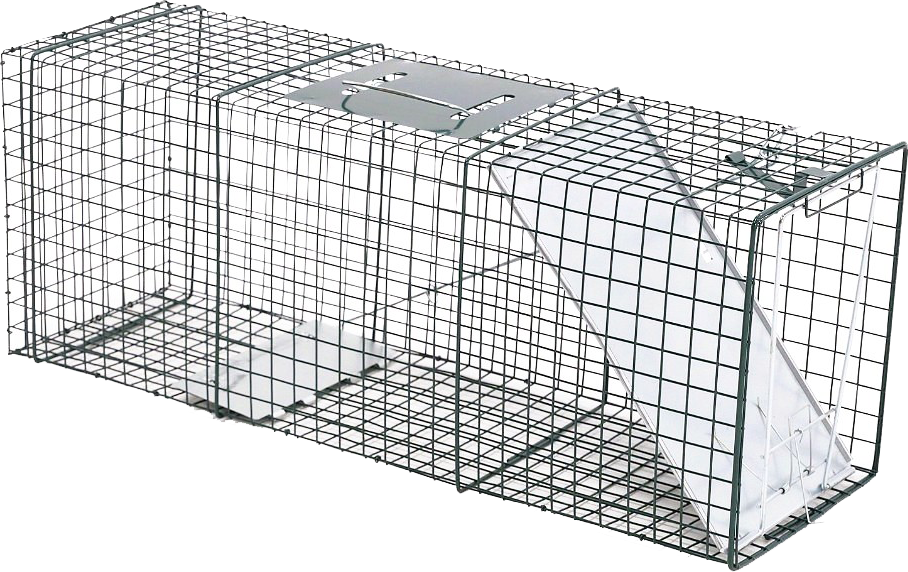
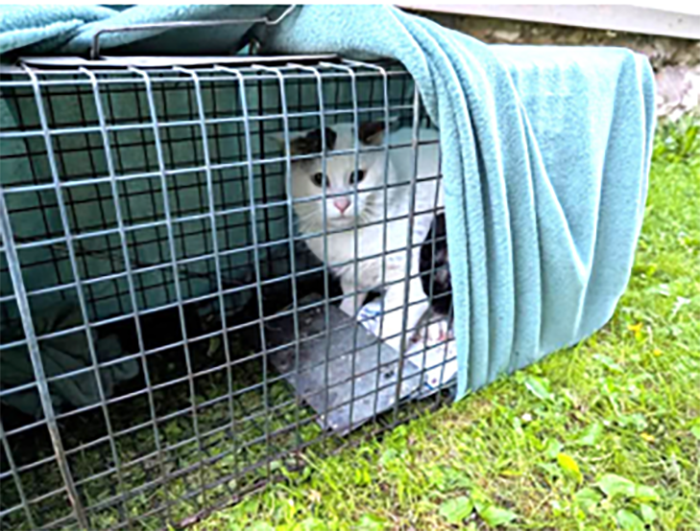
• Live (Box-type or Have-A-Heart) Traps are the ONLY safe and effective way to catch, contain and transport an outside cat to the clinic for spay/neuter surgery and vaccinations. TNR’d cats MUST be trapped and transported in Live traps.
• It is UNSAFE to use hard or soft carriers, boxes, nets, dog crates, blankets or some other device to trap, contain and transport outside, homeless cats to the clinics for spay/neuter surgery and vaccinations. Panicking cats will scratch and/or bite the trappers and the clinic staff and can easily escape anything EXCEPT a Live (box-type) trap.
• At the clinics, the cats are sedated via injection through the wire mesh of the trap before they are gently removed from the trap for surgery and vaccinations. This cannot happen safely with a carrier or some other device.
• SMALL (Squirrel or kitten size) Live (box-type) traps ARE UNACCEPTABLE for use with the PA PETS TNR PROGRAM and with our participating vet clinics. They are too small for ANY sized cat or kitten to move around inside safely.
• ONLY ONE CAT should ever be trapped and/or transported per Live (box-type) Trap. If you do not have an adequate number of traps available, let us know so we can loan PA PETS Live traps to you.
• When trapping, cover each trap’s top and sides with a bath towel, blanket or sheet to prevent the trapped cat from panicking once trapped and during transport to/from the clinics. Covering the trap reduces each cat’s stress level.
• If trapping multiple cats, place the traps far enough away from each other so each trap snapping closed will not scare off other cats about to enter nearby traps.
• Use ZIP or TWIST TIES to secure the flapper down once each cat is trapped. This added layer of security avoids cats escaping the traps by pushing the flapper open. Also secure the flapper during the transport home from the clinic.
• PA PETS loans Live Traps to our TNR Program clients and trains new TNR Clients on how to effectively and safely use Live Traps to protect the cats, the trappers, and the clinic staff from injuries – and to prevent cats from escaping.
EAR-TIPPING for TNR’d CATS
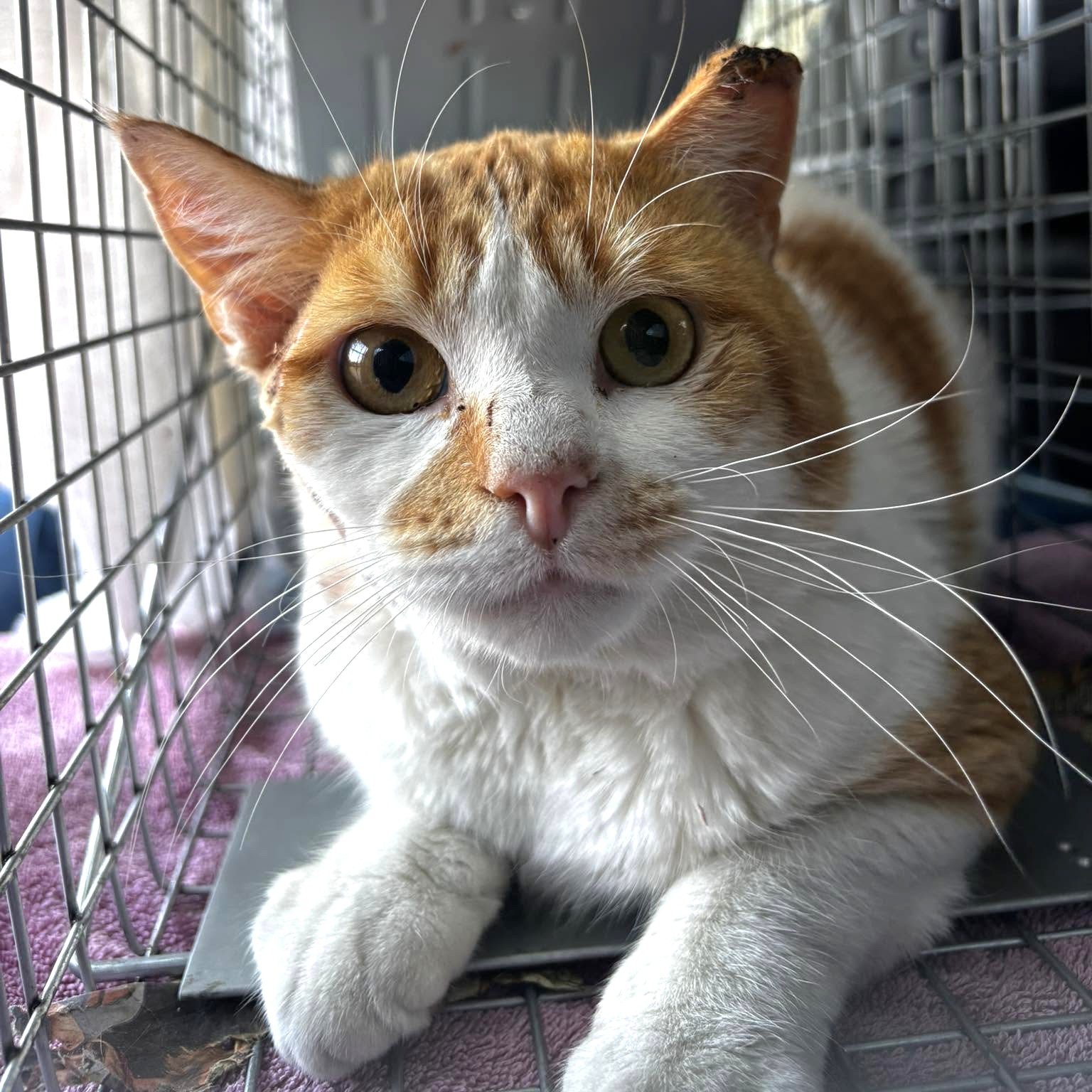
• Ear Tipping is NOT PAINFUL to any cat. This procedure is done while the cat is anesthetized and does not feel anything.
• Why do we do this? If any outside cat is re-trapped, the trapper and/or the vet clinic staff will see immediately that the cat has been previously spayed or neutered by viewing it’s “tipped” ear – and they will not perform another surgery on that cat.
• Ear tipping has long been recognized nationally and internationally as the way to identify outside, homeless cats that have already been spayed/neutered.
• Ear-tipping is safe, humane, and especially critical for female cats whose belly scar (from a prior spay surgery) may have faded over time and is not visible when their belly is shaved to prepare for their surgery.
• EAR TIPPING IS MANDATORY for the sake of the cats that are spayed/neutered under the PA PETS TNR PROGRAM.
GREEN TATTOO INK for TNR’d CATS
Some vets are ALSO applying green tattoo ink (in addition to the ear tip) when they complete the spay procedure and close the female cat’s belly (with dissolvable sutures under the skin and Dermabond sealer applied to the skin to reduce the possibility of an infection of the surgical site). Ear tipping and use of green tattoo ink have been developed over the years by many veterinarians who want to protect outside, homeless female cats from undergoing a second (unnecessary) surgery.
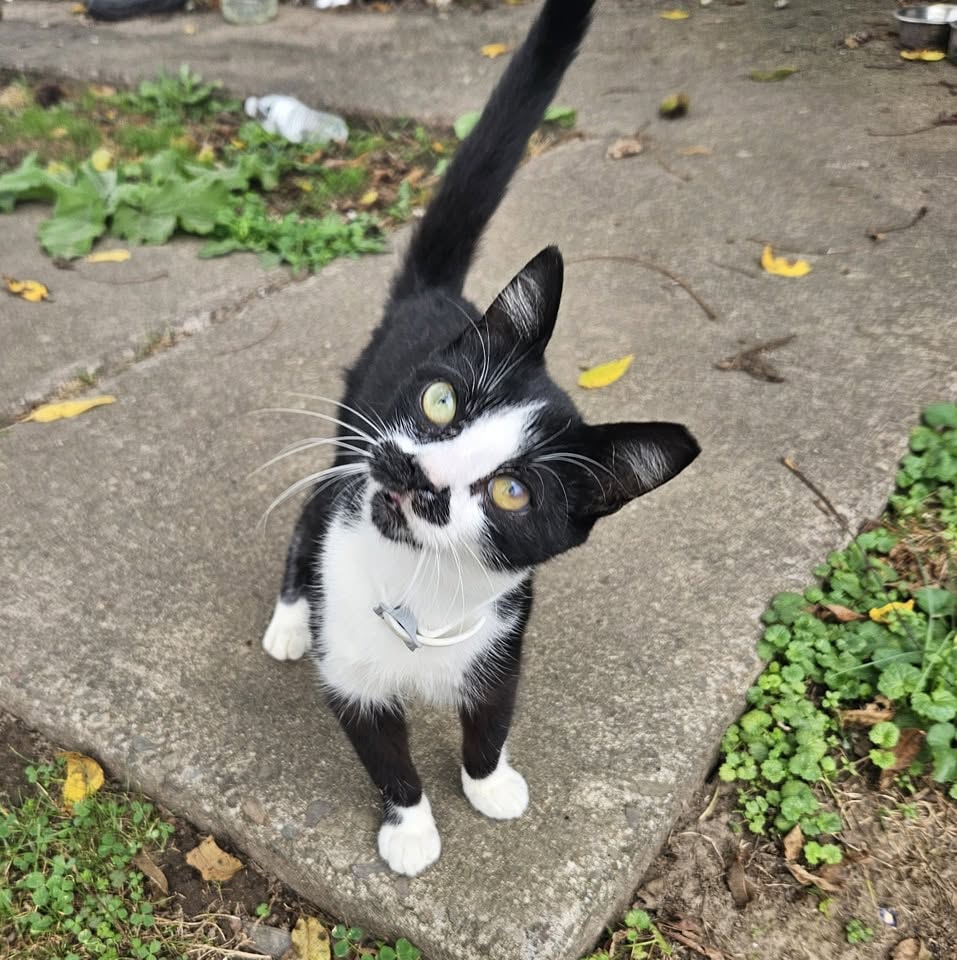
IF YOU ARE APPLYING FOR BOTH PA PETS SPAY/NEUTER PROGRAMS (for both a pet dog and/or cat(s) AS WELL AS FOR OUTSIDE CATS
• Complete each Program’s application form and enclose the required copayments for each program.
• Mail each Program’s application with your copayments in separate envelopes to PA PETS, 203 East 5th Street, Bloomsburg, PA 17815)
• Mark “TNR” on your TNR Application/copay envelope as we have different Program Managers reviewing and approving the applications for each of our 2 PA PETS Spay/Neuter Programs.